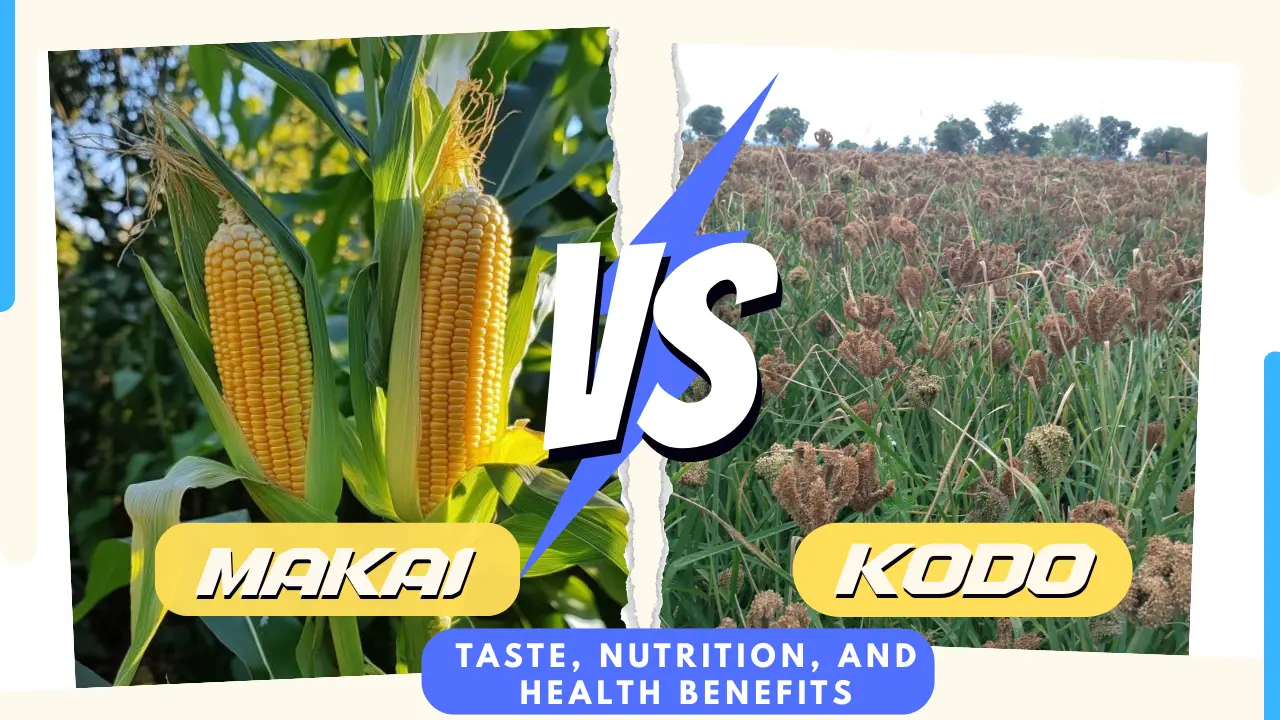
In Nepal, Corn is known as Makai, and it is not just one main crop; it is a favorite snack and part of everyday meals. From the roadside stalls selling roasted corn on chilly winter mornings to homemade makai ko roti and corn soups, makai has been a nutritious companion for generations.
Its sweetness and little crisp kernel make it a similar favorite between children and adults, while its versatility in cooking ensures that it finds a place in both traditional and modern dishes.
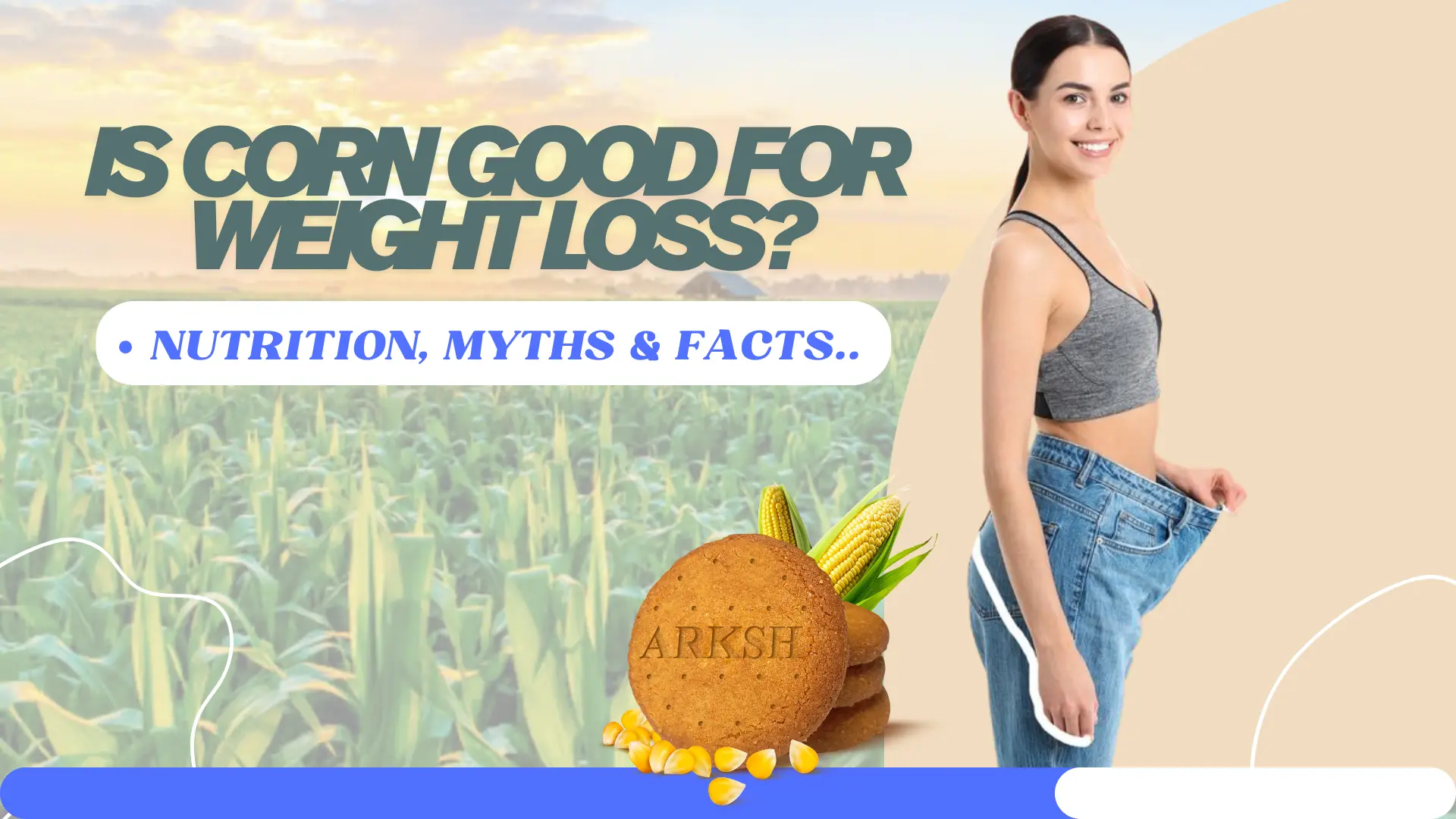
But with increasing awareness about healthy food and weight management, many Nepalese people are asking: Is Makai really good for weight loss, or is it just to avoid food with another starch? In this blog, we will find out the nutrition of corn, expose general myths, and reveal facts so that you can enjoy this local favorite without guilt.
Corn Nutrition: Why can it be part of weight loss diet
Corn (makai) is not only tasty; it is filled with nutrients that can support a healthy lifestyle. Boiled or roasted corn provides:
- Fiber: Makai is rich in dietary fiber, which helps keep you full longer, reduces cravings, and supports digestion for weight management, an important factor.
- Complex carbohydrates: Unlike sophisticated carbs, carbs in corn release energy gradually, helping maintain stable blood sugar levels and reducing sudden hunger pangs.
- Vitamins and Minerals: Makai contains essential nutrients such as vitamin B, magnesium, and antioxidants that help keep your metabolism active and support overall health.
- Low-fat content: When prepared simply, such as boiled or baked without butter or much oil, corn is naturally low in fat. It makes for a guilt-free breakfast.
In Nepal, people often enjoy roasted corn on an open fire during winter or as part of traditional food. By choosing simple preparation methods, corn can be a satisfactory, nutritious addition to a weight-conscious diet.
Corn Myths and Facts: Clearing the Confusion
Although corn is a healthy grain, there are many myths surrounding its role in weight loss. Let's separate fact from fiction:
Myth 1: Corn makes you gain weight
Fact 1: Many people believe that eating corn increases weight because it is a starch. While corn contains carbohydrates, fiber and complex carbs help you feel full longer, preventing overeating.
Myth 2: Corn Should Be Avoided on a Diet
Fact 2: Some think that dieters must avoid makai entirely. In reality, portion and preparation matter. Boiled or roasted corn is light, filling, and nutrient-dense.
Myth 3: Cornflakes are only healthy corn products
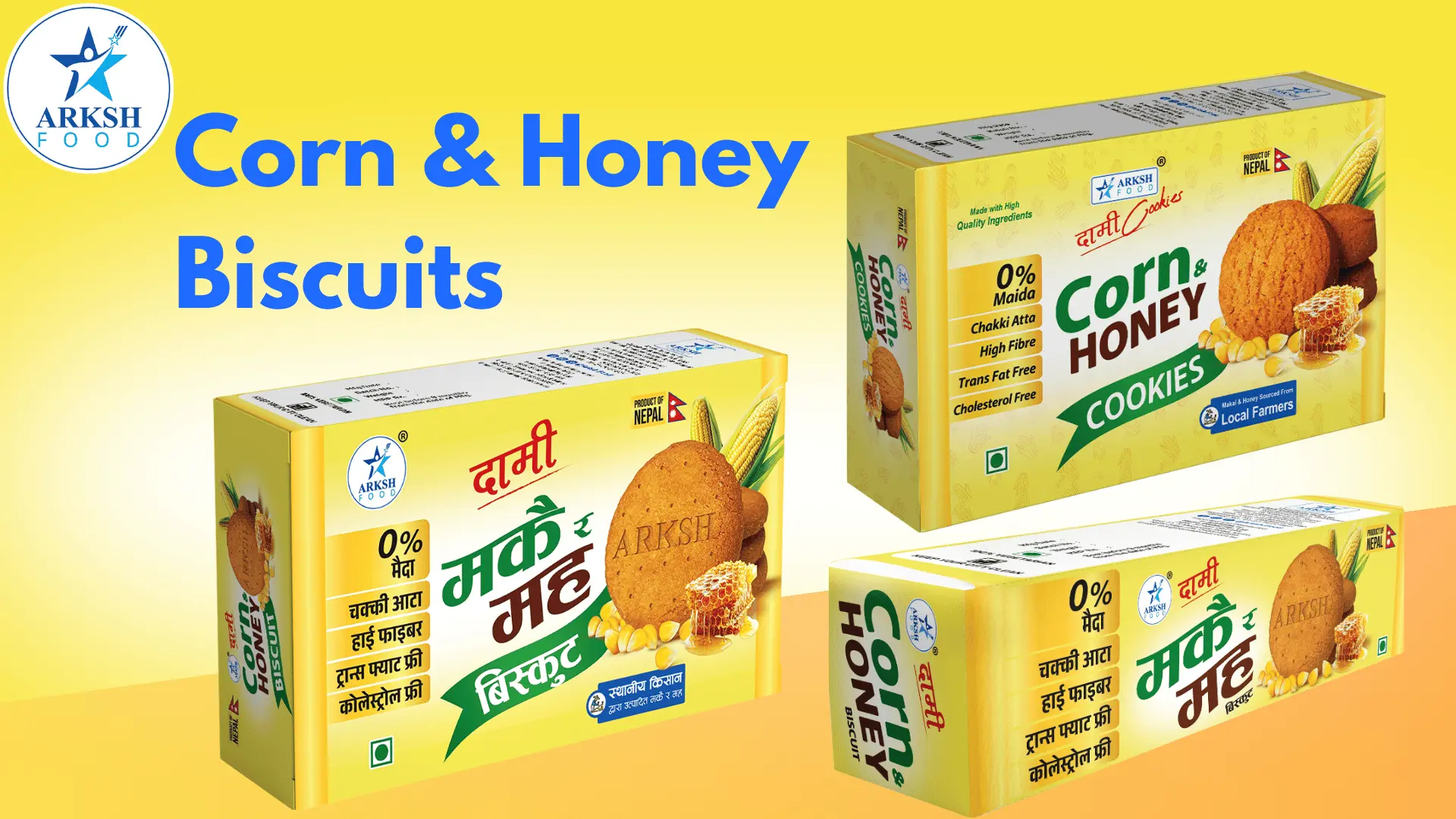
Fact 3: Processed corn products, such as sugars, cornflakes, or packed snacks, are not ideal for weight loss. Whole corn, naturally eaten, or minimally processed options such as our Dami Corn and Honey biscuits, provide fiber and nutrients without excessive sugar or preservatives, which makes them a healthy, delicious option for snacking.
Final Thoughts: Enjoy Corn While Staying Healthy
Corn (makai) is more than a traditional Nepali snack; it is a nutritious, versatile grain that can fit well into a weight-conscious diet. Packed with fiber, complex carbohydrates, and essential vitamins, corn helps keep you full, supports digestion, and provides continuous energy throughout the day.
The key is how you enjoy it: boiled, roasted, or lightly included in traditional dishes, such as Makai, can make it a healthy option.
Even minimally processed options such as Dami Corn and Honey biscuits can be enjoyed as a delicious, guilt-free snack, while heavily processed corn products or fried snacks must be limited. By understanding the myths and facts about corn, you can confidently include this local favorite without guilt in your snacks.
In short, makai isn’t the enemy of weight loss; when eaten mindfully, it can be a delicious and satisfying ally on your journey to a healthier lifestyle.
FAQs
1. Is corn healthy when trying to lose weight?
Yes! When eaten boiled, roasted, or lightly cooked, corn is rich in fiber and complex carbs, keeping you full and supporting weight management.
2. What are the benefits of eating Makai?
Makai (corn) provides fiber, vitamins, minerals, antioxidants, and slow-release energy, which is great for digestion, metabolism, and overall health.
3. Why is corn so high in calories?
Corn contains natural carbohydrates, which provide energy. Its calories are higher than leafy veggies, but are balanced by fiber and nutrients when eaten in moderation.
4. Is corn bad for you?
Whole corn is healthy, and even corn-based products such as corn biscuits can be enjoyed as a delicious snack in moderation. Just select the option with minimal added sugar and fat.


.png)
.png)





.webp)


.png)
.png)

.png)